Beyond the Bathroom Door: A Dignity-Led Continence Plan for Autistic Children in 2026
Toileting is often described as a milestone, but for many autistic children and their families it is better understood as a set of health, sensory and communication needs. Delays, constipation, fear of public toilets, discomfort with wiping or distress about changing clothes are not signs of failure. They are reasons to slow down, gather information and ask for the right support. A dignity-led approach begins with that shift in perspective: the bathroom is a place for care and privacy, not a test of compliance.
Start with dignity, not deadlines
Families are often told that a child should be toilet trained by a certain age. In practice, autistic children may develop continence skills at their own pace, and pressure tends to make the process harder. Shame-based tactics such as withholding drinks, punishing accidents or forcing a child to sit for long periods can damage trust and may worsen constipation or anxiety.
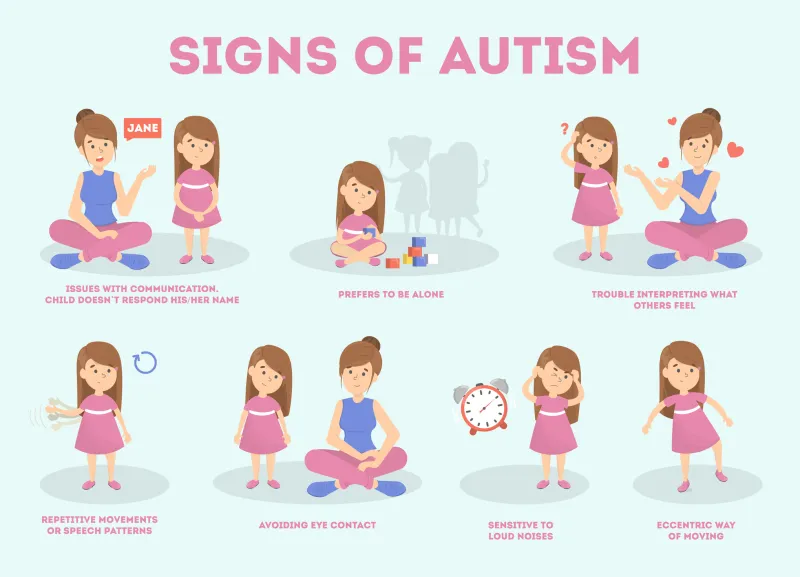
A more useful starting point is to ask what the child is communicating. Are they avoiding the bathroom because of the hand dryer, the echo, the bright light or the cold seat? Do they need a different way to ask for help? Are they able to notice bodily signals, or do they need predictable opportunities to sit? These questions are practical, not indulgent. They help families build a plan that the child can understand and take part in.
When to ask for help
In the UK, the first port of call is usually the GP. It is reasonable to ask for an assessment if a child is experiencing constipation, pain, frequent accidents, urinary symptoms or ongoing difficulty with toileting routines. A GP can check for common health causes and discuss referral to a community continence service, paediatric occupational therapy or specialist support where available. Waiting times vary, so it is helpful to keep a simple record of patterns, fluids, bowel movements and any distress.
Schools and early years settings also have a role. A child with additional needs may be entitled to a continence or intimate care plan. Parents and carers can request a meeting with the special educational needs coordinator, the school nursing team or the setting manager. The plan should describe how the child communicates, what help they need, who will provide it and how privacy will be protected. It should not rely on a single member of staff being available. For children with an Education, Health and Care plan, continence support may need to be reflected in the wider provision, particularly where it affects access to learning or trips.
Making the bathroom feel safer
A sensory audit of the bathroom can be more useful than another reward chart. Consider lighting, sound, temperature, smells and textures. A softer light, a visual sequence on the wall, a step stool for supported sitting and a choice of toilet paper or wipes can make a real difference. Some children prefer a screen or a closed door; others need a familiar adult nearby but not too close. Privacy is part of dignity, so ask the child what feels comfortable whenever possible.
It can help to separate the bathroom from demands. A child may be more willing to sit for a short, timed period if they know they can get up afterwards and that no one will comment on the result. Neutral language works better than praise that feels performative or disappointment that feels like judgement. Words such as wet, dry, clean, sore and uncomfortable are clearer and less loaded than words like good, bad or naughty.
Put health before habit
Constipation is common in childhood and can underlie both soiling and wetting. It is not simply a matter of not trying hard enough. A GP can advise on treatment, and families should not reduce fluids or withhold food as a way of managing accidents. Regular meals, adequate drinking and comfortable sitting posture with feet supported can all support bowel health. If a child is in pain, straining, holding on or passing very large stools, that is a health issue to raise promptly.
Some children need a predictable routine rather than a rigid timetable. Offering a calm sit after breakfast or before bath time, without pressure to perform, can help the body settle into a pattern. Visual supports, timers and a quiet activity nearby may reduce anxiety. If a child becomes distressed, stop and try again later. A plan that depends on force is not a plan that supports dignity.
A child-led plan at home
The most workable plans are usually small and specific. Choose one or two changes, such as a softer bathroom light and a visual schedule, and review them after a week or two. Involve the child in choosing supplies, deciding where spare clothes are kept and agreeing a private signal for asking to leave a room. Keep spare clothing in a plain bag that does not announce its purpose. At home, use neutral clean-up routines so that accidents do not become a spectacle.
It also helps to plan for public life. Many families carry a discreet change kit, know where accessible toilets are and rehearse what to do if a toilet is busy or closed. Some children need noise-cancelling headphones in public toilets; others prefer a parent to wait outside. Accessible toilets and Changing Places facilities can make days out more manageable, but not every venue has them, so checking ahead is sensible. The aim is not to avoid every risk but to reduce shame when something goes wrong.
Review without blame
Continence support is not a one-off conversation. Review the plan at home and at school, note what is working and ask for further help if progress stalls. If a child begins to refuse school, avoid trips or show new distress around personal care, that is important information for professionals. Dignity-led support means the child is not left to manage alone, and parents are not left to guess.
At West OK Autism, we know that families often need calm, practical information rather than another set of rules. The bathroom door can remain a place of privacy and care. With the right health checks, environmental adjustments and shared plans, toileting support can become a steady part of family life rather than a source of shame.