Seams, Tags and Standing Agreements: A Sensory-Informed Uniform Plan for the School Year

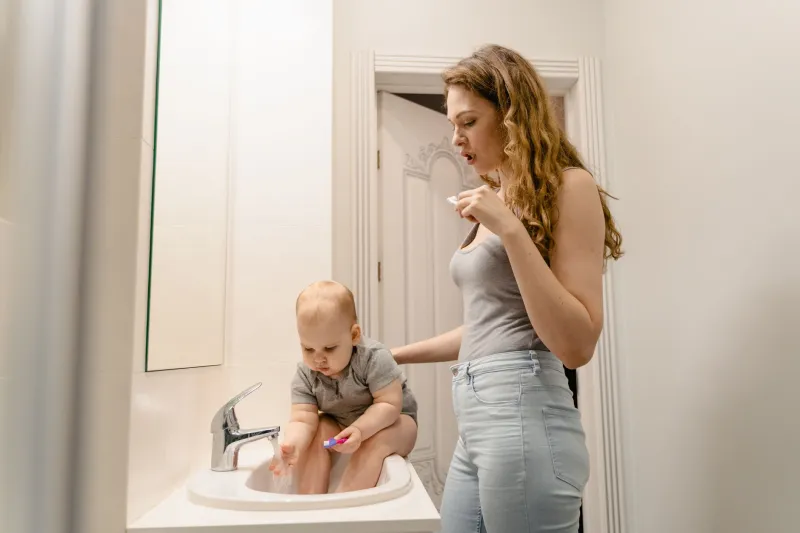
Photo: The humanitarianJ, CC BY-SA 4.0, via Wikimedia Commons
For many autistic children, the school uniform is not a minor irritation to be endured but a genuine sensory load carried for six or seven hours at a stretch. A scratchy label at the neck, a waistband that presses, a stiff collar that restricts turning the head — these details register differently for a child whose nervous system is already working hard. When mornings become a battleground over a jumper, the behaviour on display is usually distress, not defiance.
This guide offers a practical, low-conflict approach for UK families: audit what is actually being worn, test alternatives in a low-pressure way, build a dressing routine that reduces demand, and put reasonable adjustments to the school in writing. It is not about avoiding the uniform altogether, but about finding the version of it your child can wear without spending the day depleted.
Start with an audit, not an argument
Before changing anything, spend a week observing. Which item comes off first when your child gets home? Where do they tug, scratch or hold fabric away from the skin? Does the distress peak at the start of the day, after PE, or in warm weather?
A simple written record helps. Note the garment, the time and what happened just before. Patterns often emerge quickly — a particular polo shirt, a specific pair of trousers, or the addition of a tie. Take photographs of labels and seams so you have the details to hand when you speak to the school.
It is also worth asking what your child notices. Some children can describe the problem precisely; others cannot, and may simply refuse. Both responses carry information. If spoken conversation is difficult, try offering two options at a time or drawing the item together.
Seams, tags and fabric: where the friction lives
Most uniform discomfort comes from a small number of sources.
- Labels and care tags. Cut them out completely where possible, or cover them with a soft patch. Many families find a seamless or printed-label version of the same garment.
- Shoulder and side seams. Look for flatlock or taped seams, common in sportswear. Turning a garment inside out to check before buying saves a great deal of trial and error.
- Waistbands. Elastic that is too tight, or button-and-zip fastenings that press when sitting, are frequent culprits. Adjustable waistbands and pull-on styles help.
- Fabric. Wool blends, stiff polycottons and new, unwashed garments are often the least tolerable. Washing before first wear softens many fabrics considerably.
- Socks and shoes. Seams across the toes, tight cuffs and stiff uppers matter as much as the visible items. Some children do better in seamless socks and soft, lace-free footwear.
Test in the real world, not in the shop
Changing rooms are bright, hurried and often uncomfortable — poor conditions for judging whether a garment will work. Where possible, buy from retailers with a straightforward returns policy, try items on at home at a calm time, and keep the tags on until you have had a full day's trial.
A useful middle step is a short, timed wear: ten minutes on a Saturday, then half an hour, then a whole morning at home. This builds tolerance gradually and gives your child a sense of control. Where a child is anxious about a new item, wearing it during a preferred activity can help the clothing fade into the background.
A dressing routine that lowers the demand
Mornings ask a great deal of any child: transition, decision-making, time pressure and sensory change all at once. A few structural changes can reduce the load.
- Lay clothes out the night before, in the order they go on, so no decisions are needed at 7.30am.
- Keep the sequence identical each day. Predictability is soothing; novelty is not.
- Allow undressing time after school without comment. Many children need to shed the uniform immediately to regulate.
- Build in a buffer. Ten minutes of slack removes the urgency that so often triggers refusal.
- Reduce the number of steps. If a shirt has six buttons, consider a polo; if tights are difficult, consider trousers.
Asking the school for reasonable adjustments
Under the Equality Act 2010, schools in England, Wales and Scotland have a duty to make reasonable adjustments for disabled pupils, and autism is generally recognised as a disability for these purposes. In practice, uniform flexibility is one of the most common and most straightforward adjustments requested.
Put your request in writing to the special educational needs coordinator (SENCO) and the headteacher. Keep it brief and specific: describe what your child finds difficult, what you have already tried at home, and the change you are asking for. Examples that schools frequently agree to include:
- a plain, soft-fabric polo in the school colour instead of a buttoned shirt;
- trousers or joggers in the uniform colour rather than a specific style;
- permission to wear soft-soled or lace-free shoes;
- no tie, or a clip-on alternative;
- a cardigan instead of a blazer;
- wearing a PE kit to school on PE days to avoid changing;
- permission to remove a jumper indoors when overheated.
Ask for the agreement to be recorded, whether in a pupil passport, a one-page profile, or within an education, health and care plan (EHCP) if your child has one. A written record prevents the arrangement from unravelling each September when staff change.
PE, changing rooms and seasonal shifts
PE brings its own difficulties: communal changing, unfamiliar kit, and the sensory shift from one set of clothes to another. Where changing is the main obstacle, ask whether your child can arrive in kit, change in a quieter space, or use a cubicle. These are modest adjustments that make participation possible.
Seasons matter too. Summer uniform often means lighter fabrics, which may be welcome; winter brings layers, tights and coats, which may not. Review the plan at the start of each term rather than treating last year's solution as permanent.
Keep the language neutral
How we talk about uniform refusal shapes how a child sees themselves. Describing the difficulty as a sensory problem to be solved, rather than a behaviour to be corrected, keeps the door open. A child who is told they are being difficult learns to hide the discomfort; a child who is helped to name it learns to ask for what they need.
The aim is a truce, not a victory. A uniform that works is one your child can forget about — and a morning that starts calmly is worth more than a perfect collar.